How it works
Five roles. One loop that never stops.
Ibhar connects every team with a stake in infection outcomes, so what is observed on a ward is acted on, treated and learned from.
One intelligence system
Three capabilities. Not three separate products.
Prevention, microbiology and stewardship are usually run as separate workstreams. Ibhar runs them on one data model, so each one informs the others.
Infection prevention intelligence
See risk as it emerges.
Mobile-first surveillance on every round. HAI and device-associated infection surveillance, hand hygiene and bundle audits, environmental audits, vaccination and needle-stick tracking where implemented.
Infection control software ›
Clinical microbiology intelligence
Turn results into understanding.
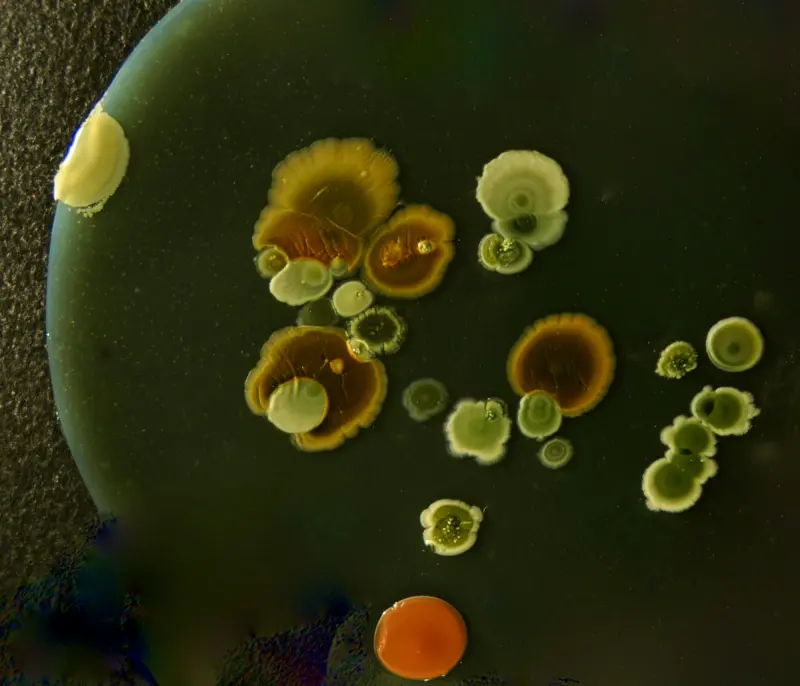
Structured culture and susceptibility workflows. Hospital-specific antibiograms and MIC guiding tables, alongside Epic, Oracle Health (Cerner) and InterSystems, with lab and instrument integration scoped to each site.
AMR surveillance ›
Antimicrobial intelligence
Guide stewardship. Support clinicians.
Antibiogram-informed guidance that supports prescriber judgement. Utilisation analysis with DDD and DOT indicators, stewardship review workflows, time-outs and policy tracking.
Antimicrobial stewardship software ›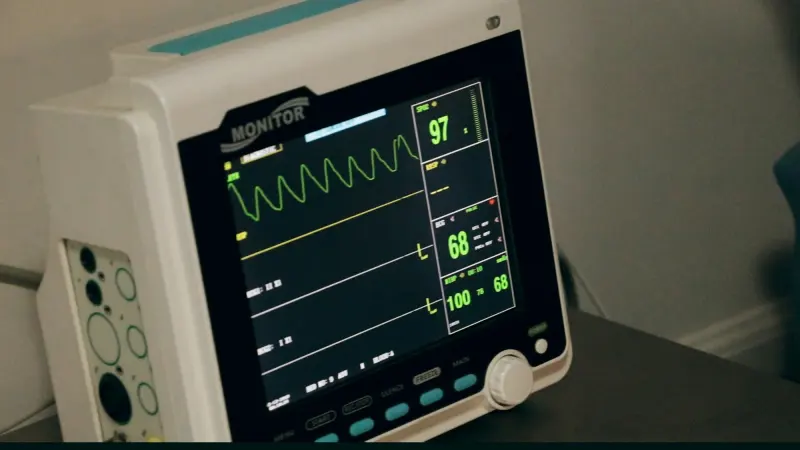
Hospitals record infections. Few learn from them.
The problem Ibhar was built to close.
From signal to action
One observation, followed through five roles.
An illustrative pathway. The exact steps depend on each hospital's configuration and integrations.
IPC nurse
Logs a surveillance observation.
A device-associated infection indicator is recorded during a routine round, mobile-first and in real time.
Microbiologist
Links the culture result.
Susceptibility data is structured against the hospital's antibiogram, clarifying the organism and resistance pattern.
Treating clinician
Sees the result where it matters.
The finding is visible at the point of a treatment decision, rather than buried in a separate report.
Clinical pharmacologist
Reviews antimicrobial use.
A stewardship time-out checks the regimen against hospital policy and antibiogram-informed guidance.
Governance committee
Reviews the outcome.
The case feeds institutional learning, informing policy, training and the next surveillance cycle.
The programme
Prevention, diagnosis and treatment. Connected end to end.
Administrators, IPC nurses, microbiologists, pharmacologists and clinicians work on one platform, from prevention to post-treatment.
Prevention and surveillance.
Hand hygiene, environment, bundles, prophylaxis and post-surgery follow-up, captured on the ward.
Detection and rules.
CDC-rule detection across vitals, symptoms and cultures, with MDRO flags and early outbreak signals.
Investigation and microbiology.
MIC tables and therapeutic index, escalated straight to the treating clinician.
Prescription and stewardship.
Antibiograms for empirical therapy, approval workflows and adherence monitoring.
Outcomes and analytics.
HAI rates and compliance trends, antibiotic use with DDD and DOT, KPIs and escalations.
See the loop at your hospital. Your wards, your teams, your data.
Walk through how the five-role loop would run across your departments, alongside the systems you already use.