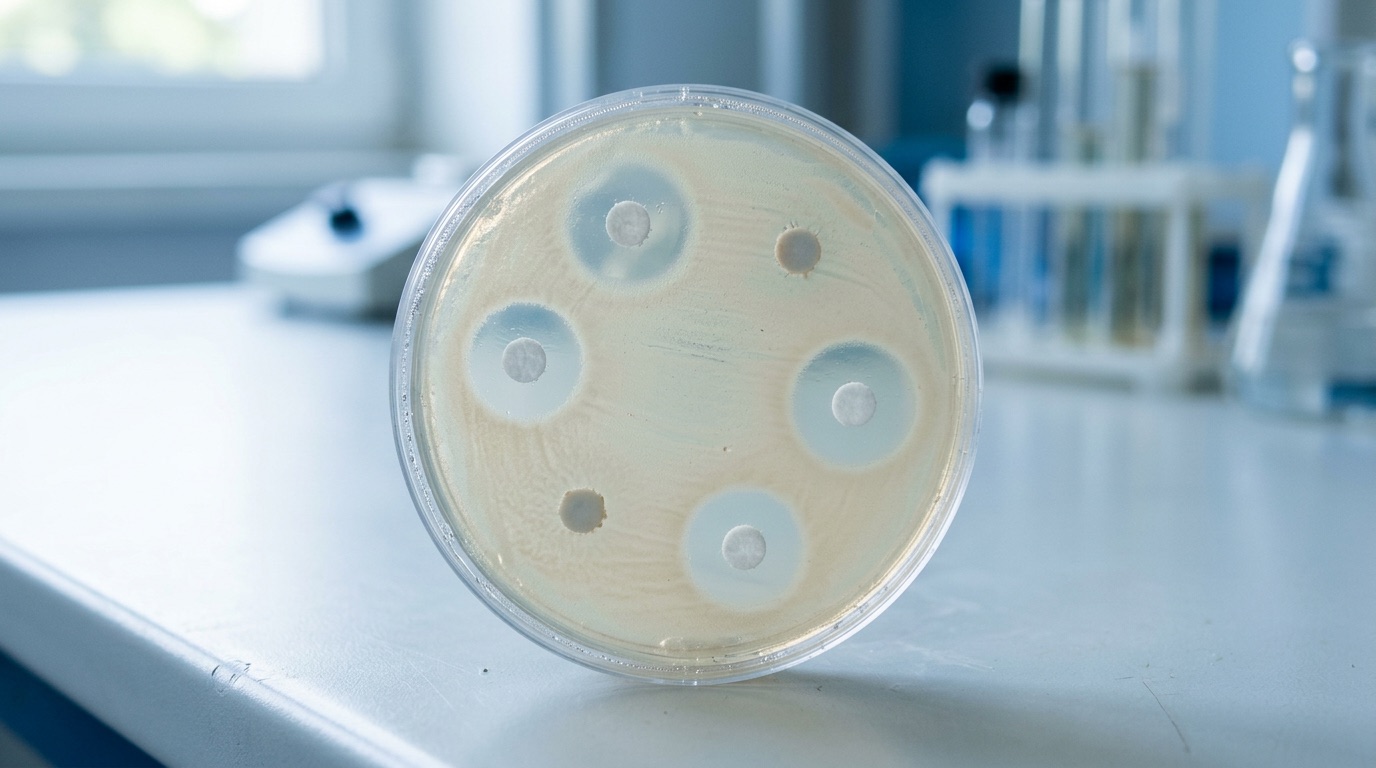
Antimicrobial resistance (AMR) happens when bacteria, viruses, fungi and parasites stop responding to the medicines designed to kill them. Infections become harder to treat, stays get longer and routine procedures such as surgery, chemotherapy and intensive care become riskier. The World Health Organization ranks AMR among the top global public health threats.
Hospitals sit at the centre of the problem. They are where the sickest patients, the most invasive devices and the heaviest antibiotic use come together. They are also where some of the most effective solutions are applied.
AMR by the numbers
- 4.71 million deaths were associated with bacterial AMR in 2021, including 1.14 million directly attributable to it (GRAM study, The Lancet, 2024).
- 1.91 million attributable deaths and 8.22 million associated deaths could occur in 2050 if current trends continue (same study).
- 7 in every 100 patients in acute-care hospitals in high-income countries, and 15 in every 100 in low- and middle-income countries, acquire at least one healthcare-associated infection (WHO global report on IPC, 2022).
- Up to 70% of those infections can be prevented with good infection prevention and control (same report).
In September 2024, the UN General Assembly adopted a political declaration that commits countries to reducing deaths associated with AMR by 10% by 2030 and sets a target that at least 70% of antibiotics used in human health come from the WHO Access group (WHO). Meeting those targets depends heavily on what happens inside hospitals.
Why hospitals are AMR hotspots
- Selection pressure: antibiotic use per patient is far higher than in the community, especially in ICUs, where broad-spectrum empirical therapy is routine.
- Vulnerable hosts: immunosuppressed, post-surgical and critically ill patients are more likely to become infected and colonised.
- Invasive devices: central lines, urinary catheters and ventilators give resistant organisms a way in.
- Transmission: resistant bacteria spread between patients on hands, equipment and surfaces, and through shared spaces and overcrowded wards.
- Delayed information: when culture results reach the treating team days late, or not at all, patients stay on the wrong drugs for longer.
The pathogens that matter most
WHO's 2024 Bacterial Priority Pathogens List places carbapenem-resistant Acinetobacter baumannii, third-generation cephalosporin-resistant Enterobacterales, carbapenem-resistant Enterobacterales and rifampicin-resistant tuberculosis in its critical group. The high group includes carbapenem-resistant Pseudomonas aeruginosa, vancomycin-resistant Enterococcus faecium and methicillin-resistant Staphylococcus aureus (MRSA).
Most of these spread through hospitals. Many carry resistance genes, such as ESBLs and carbapenemases including KPC, NDM and OXA-48, on mobile genetic elements that pass between species. A single undetected carrier can seed an outbreak across several wards.
Five levers that reduce AMR in hospitals
1. Prevent infections in the first place
Every infection prevented is a course of antibiotics avoided. Strong infection prevention and control, including care bundles for devices, hand hygiene, environmental cleaning, isolation and contact precautions, is the most direct way to reduce both infections and resistance. Our checklist of the WHO core components of IPC is a good place to start.
2. Use antibiotics wisely
An antimicrobial stewardship programme makes sure the right drug is used at the right dose for the shortest effective duration. See What Is Antimicrobial Stewardship?
3. Know your local resistance
National data cannot tell a prescriber what to give in your ICU tonight. A current, unit-level antibiogram can. Hospitals should also report to national surveillance and to WHO's Global Antimicrobial Resistance and Use Surveillance System (GLASS) where their country takes part.
4. Detect resistant organisms early
Rapid identification such as MALDI-TOF, timely susceptibility testing and automated MDRO alerts let teams isolate carriers and adjust therapy before transmission or treatment failure. Read more in How Hospitals Can Detect Emerging MDRO Trends Earlier.
5. Govern with data
AMR falls between departments: IPC, microbiology, pharmacy, the ICU and quality. It needs a committee that sees connected data and owns actions, and a board that reviews resistance and antibiotic use as it would finance or patient experience.
Questions every hospital leadership team should ask
- What are our rates of carbapenem-resistant organisms, and are they rising?
- What share of our antibiotic use comes from the WHO Access group?
- How long does it take for a positive blood culture to reach the treating clinician?
- How many of our healthcare-associated infections were preventable, and who owns the actions?
- Is our antibiogram less than a year old, and do prescribers actually use it?
Why hospitals choose Ibhar
Fighting AMR takes prevention, stewardship, microbiology and governance working as one. Ibhar brings them together so hospitals can see resistance emerging and act before it spreads. Ibhar is the infection intelligence platform for infection prevention and control (IPC), antimicrobial stewardship (AMS) and antimicrobial resistance (AMR). Hospitals from India to the Middle East use it, and it works alongside Epic, Oracle Health (Cerner) and InterSystems.
- 800+ hospitals with Ibhar implementation experience.
- Technology partner to the JIPMER-led national antibiogram study across 75+ hospitals.
- Around 500,000 positive culture records analysed.
- Recognised by the Health Innovation Exchange at the United Nations General Assembly.
To see what Ibhar could do for your hospital, talk to our team.
Frequently asked questions
What is antimicrobial resistance (AMR)?
AMR happens when bacteria, viruses, fungi or parasites no longer respond to the medicines that used to treat them, making infections harder to treat and more likely to spread.
How many deaths does antimicrobial resistance cause?
The GRAM study in The Lancet estimated 1.14 million deaths directly attributable to bacterial AMR in 2021, and 4.71 million deaths associated with it.
How can hospitals reduce antimicrobial resistance?
By preventing infections, using antibiotics wisely through stewardship, keeping an up-to-date local antibiogram, detecting resistant organisms early and governing all four with shared data.